
How induction cooktops work, energy efficiency and easy cleanup.
Check out our product selection.
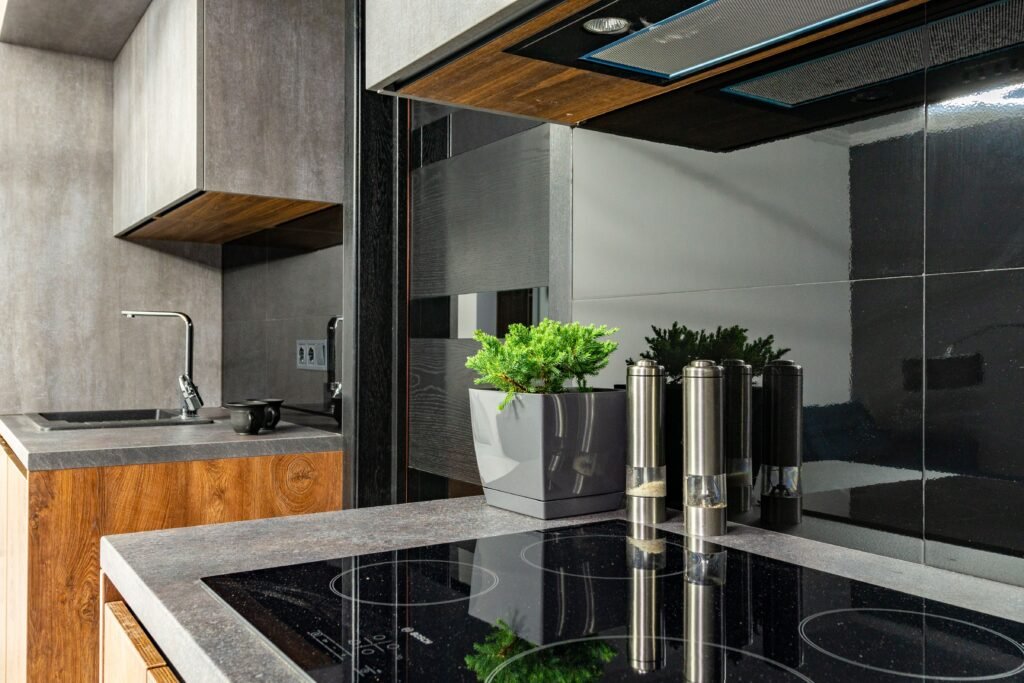
Understanding Induction Cooktops
The Science of Speed: How Induction Cooking Works
If you are still cooking on a gas burner, an old-fashioned electric coil or a standard radiant glass-top stove, you are dealing with a two-step heating process: the burner has to get hot, which then heats the pan, which finally cooks your food.
Induction changes the physics entirely. Beneath the glass surface, a copper coil generates a high-frequency electromagnetic field. When you place a compatible iron or magnetic stainless steel pan on the burner, that magnetic field bypasses the glass and induces electric currents directly inside the walls of the cookware.
The Pan Becomes the Burner: The cookware itself generates the heat. The glass cooktop only gets warm from residual heat transferred back from the pan.
Instant Thermal Response: When you turn the dial down, the heat drops instantly—giving you the precise control of gas without the open flame or wasted ambient heat warming up your kitchen.
Why Modernize from Gas to Induction?
Superior speed: Induction uses electromagnetic energy to heat the cookware directly rather than heating the air or the glass surface first. This allows high-powered elements to boil water and heat pans significantly faster than traditional gas burners.
Exceptional Low-Heat Precision: While gas flames can struggle or extinguish at very low settings, induction provides micro-controlled, steady low heat that makes melting chocolate or simmering delicate sauces effortless without scorching.
Energy Efficiency: Induction converts roughly 90% of its energy directly into heat inside the cookware, whereas open gas flames lose a substantial amount of heat to the surrounding air.
Enhanced Kitchen Comfort: Because heat is generated strictly within the pan, virtually no waste heat radiates into the room, keeping the kitchen significantly cooler during long cooking sessions.
Easier Cleanup: The flat ceramic-glass surface stays relatively cool (absorbing only residual heat from the pan), meaning accidental spills and splatters will not bake onto the surface and can be wiped away easily without navigating grates or burner caps.
Improved Safety & Indoor Air Quality: Induction cooktops eliminate open flames, gas leaks, and indoor air pollutants like nitrogen dioxide and carbon monoxide associated with combustion. Most models also feature automatic shut-off when cookware is removed.
Why Modernize from Electric Coils to Induction?
Blazing Fast Water Boils: Water boils in roughly half the time compared to traditional electric coils or standard radiant glass tops.
Effortless Cleanup: Because the surface around the pan stays relatively cool, spilled food doesn’t bake onto the glass and burn. A quick wipe with a damp cloth does the trick.
Indoor Air Quality & Safety: No open flame, no residual gas combustion byproducts, and the burner automatically shuts off seconds after you remove the pan.